




What Is the Best Age for a Facelift?
What is the best age for a facelift? This is one of the most common questions asked by people considering facial rejuvenation surgery. However, there is no single ideal age for everyone. The right time for a facelift depends less on your chronological age and more on the degree of facial and neck sagging, skin quality, changes in facial soft tissue, genetics, weight fluctuations, and your aesthetic goals.
In general, facelift surgery is most commonly considered from the late 40s through the 50s and 60s. However, this does not mean that a facelift cannot be performed before the age of 40. In some people, significant facial laxity can develop earlier because of genetics, sun exposure, skin quality, or rapid and substantial weight loss.
For example, someone in their mid-to-late 30s who loses 20–30 kilograms in a relatively short period may develop significant facial volume loss, loose skin, jowling, and neck laxity. In such a situation, looking only at the patient's age and saying that they are “too young for a facelift” would not necessarily be appropriate.
What Is the Best Age for a Facelift?
The best age for a facelift is the point when the signs of facial aging become significant enough to benefit from surgical correction.
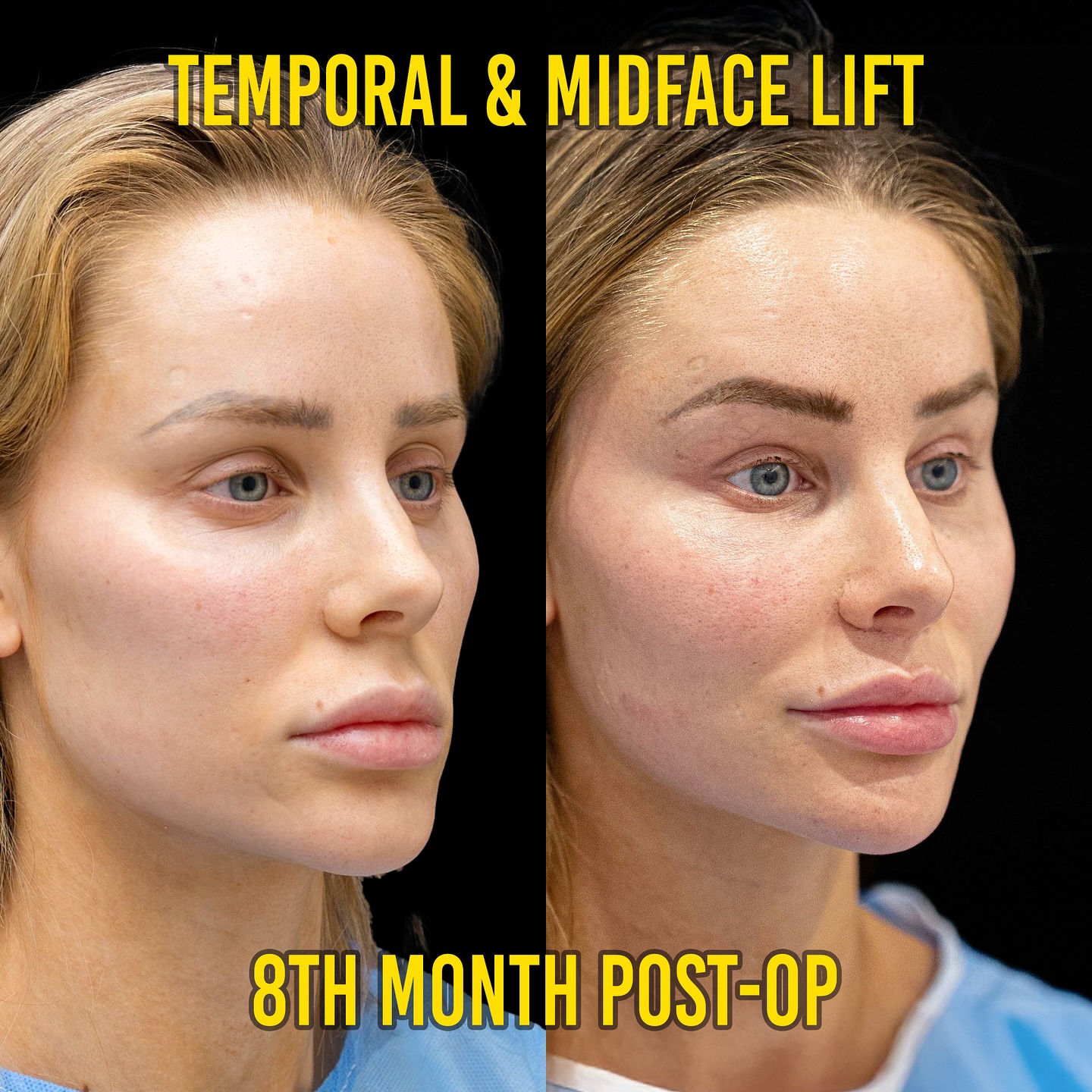
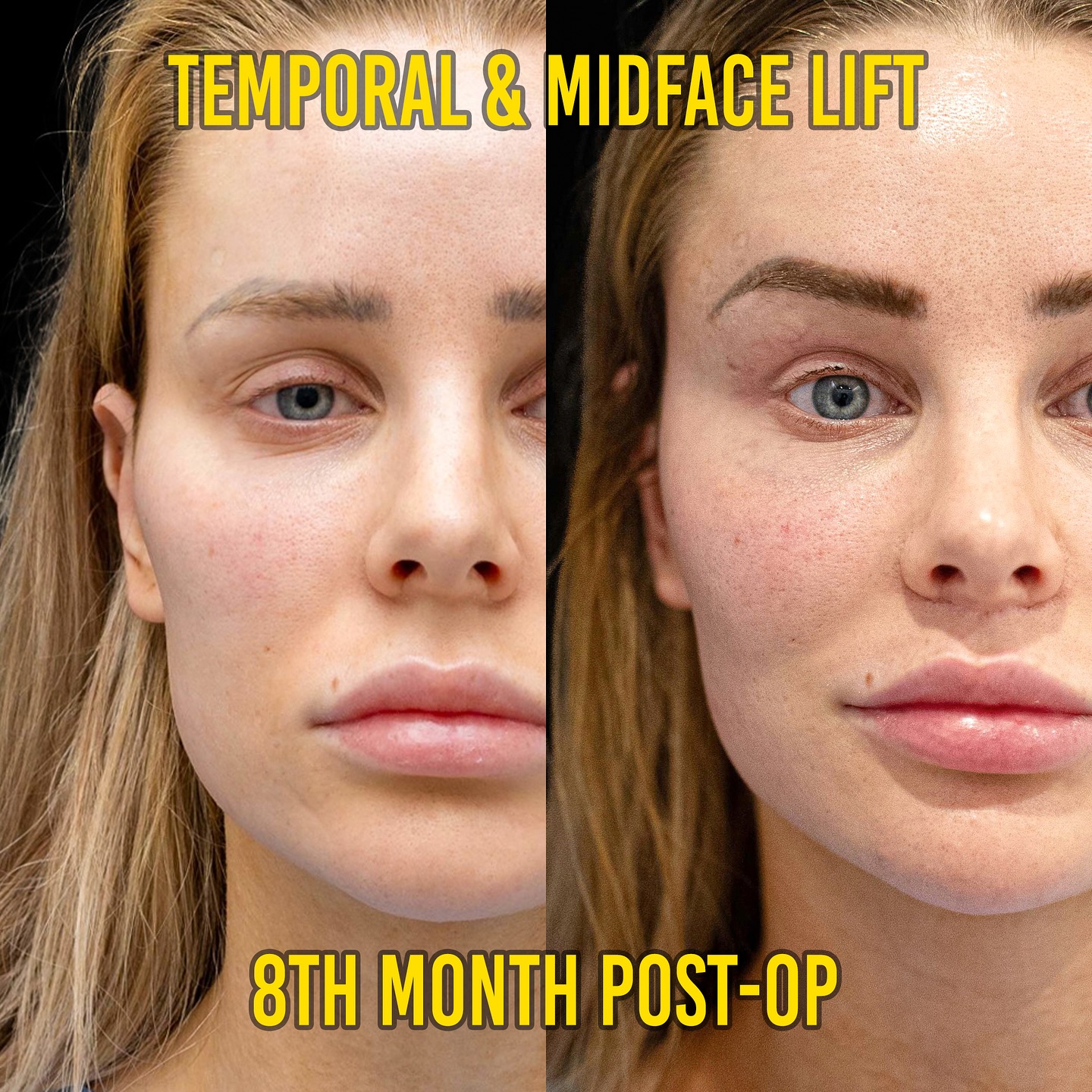
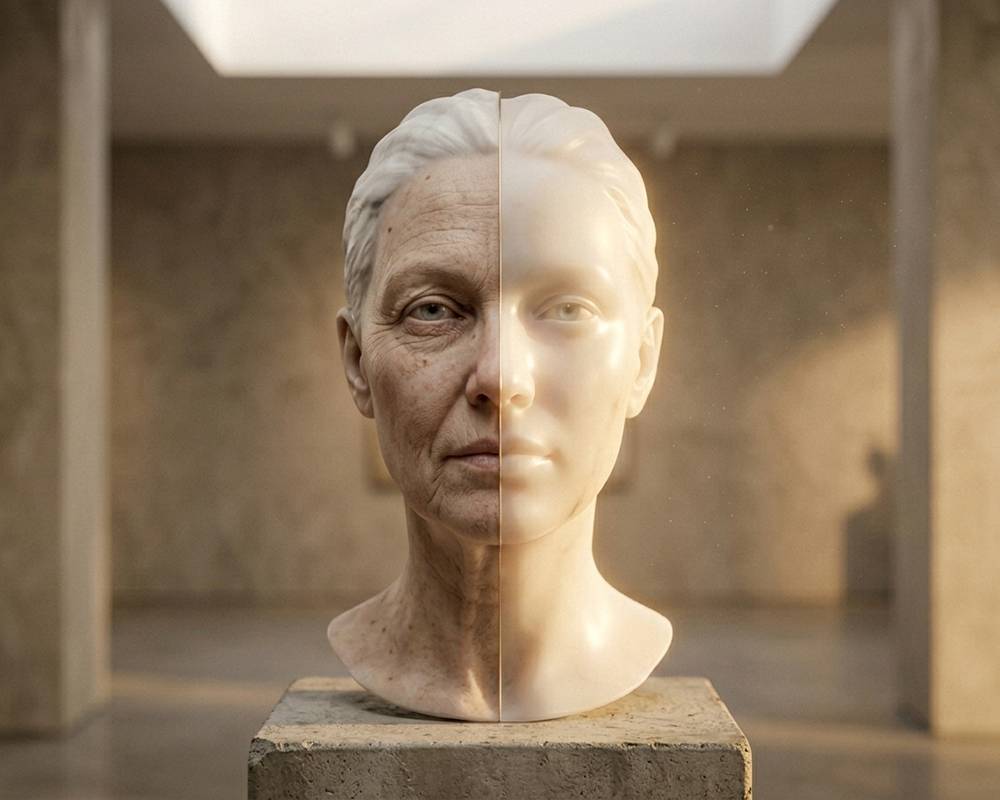
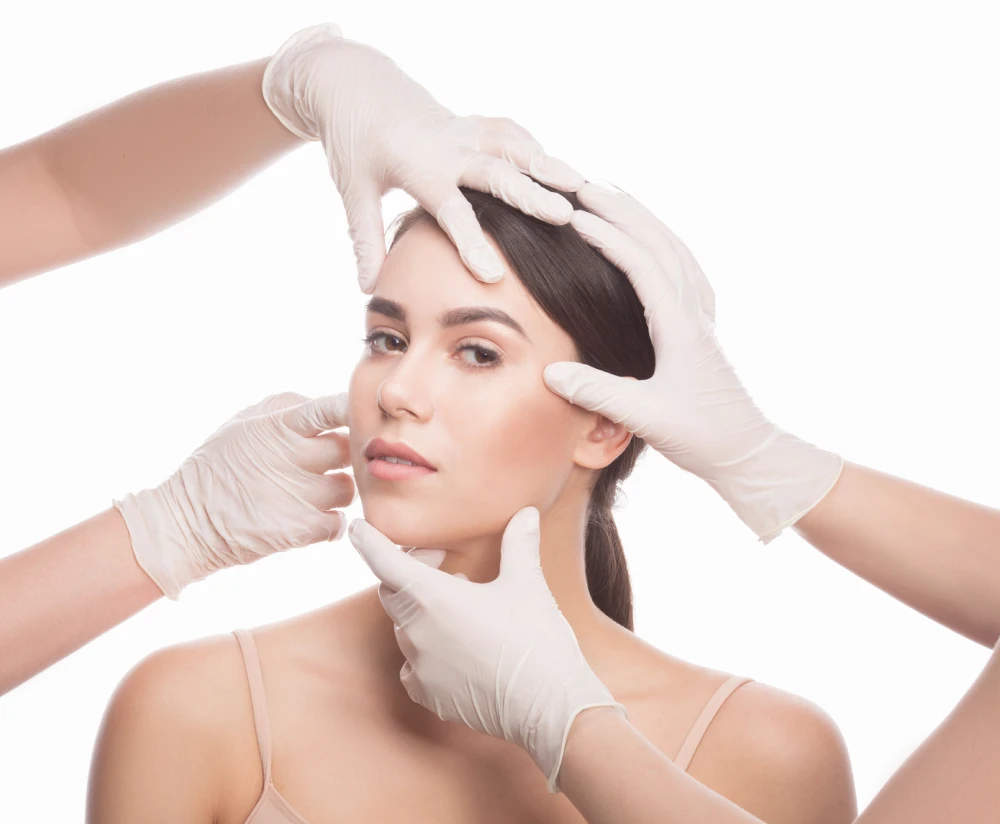
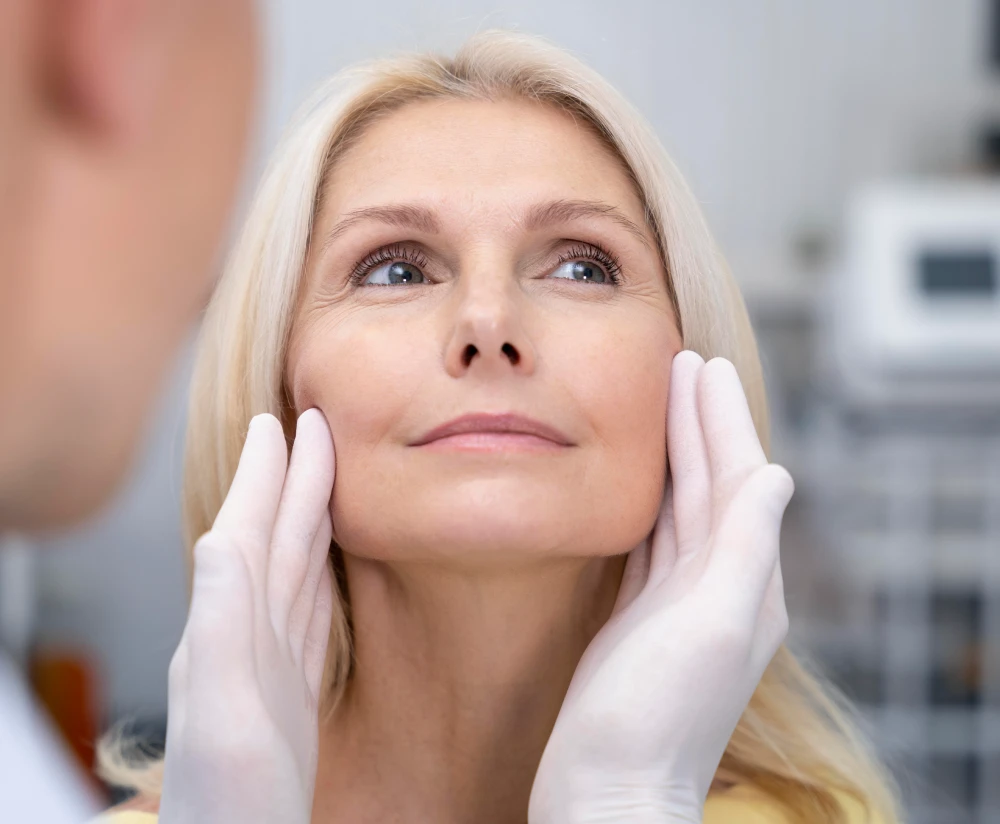
As the face ages, the changes are not limited to wrinkles. Skin elasticity decreases, facial fat compartments change, and the soft tissues gradually move downward. As a result, the facial oval can become less defined, the jawline can lose its sharpness, and the neck can develop loose skin and soft tissue.
Common signs that may indicate that it is time to consider a facelift include:
-
Sagging of the cheeks and lower face
-
Loss of jawline definition
-
Jowls along the lower jaw
-
More pronounced nasolabial and marionette lines
-
Loose skin in the neck
-
Submental or neck laxity
-
Loss of the youthful oval shape of the face
-
Loose facial skin following significant weight loss
When these changes become noticeable, non-surgical treatments such as Botox, fillers, or skin-tightening procedures may no longer provide the degree of correction that a patient is looking for.
Can You Have a Facelift in Your 40s?
Yes. The 40s are a common period for evaluating facelift surgery, but turning 40 is not a strict requirement.
Some people naturally develop facial aging earlier because of genetics, sun exposure, smoking, or individual differences in skin elasticity. In addition, rapid and significant weight loss has become an increasingly important reason why facial laxity can become noticeable at a younger age.
For example, a 38-year-old who loses 25 kilograms within a relatively short period may notice loss of facial volume, sagging cheeks, a less defined jawline, and loose skin around the neck.
These changes cannot always be explained by chronological aging alone.
In recent years, facial changes following bariatric surgery, very restrictive diets, and GLP-1 medications used for weight loss have also received increasing attention. Significant weight loss can reduce facial fat volume and make previously subtle skin and soft-tissue laxity much more noticeable.
For this reason, the question should not simply be, “Have I reached 40 yet?” A more useful question is:
“Do I have enough facial and neck laxity to benefit from a surgical procedure?”
Is Your 50s the Ideal Age for a Facelift?
The 50s are one of the most common decades for facelift surgery.
During this period, decreased skin elasticity may become more noticeable, while descent of the cheek tissues, loss of jawline definition, and neck laxity can occur together.
Modern facelift techniques are not simply about pulling the skin tighter. Depending on the patient's anatomy, the deeper soft-tissue layers of the face can also be addressed and repositioned.
The goal is to avoid an excessively tight or artificial appearance and instead create a natural, balanced facial rejuvenation.
However, not everyone in their 50s needs the same type of facelift. Two people of exactly the same age can have very different facial anatomy, skin quality, and degrees of tissue laxity.
Can You Have a Facelift in Your 60s?
Yes. A facelift can be successfully performed in appropriately selected patients in their 60s.
At this age, however, overall health becomes increasingly important when planning surgery. The patient's medical history, medications, smoking status, cardiovascular health, skin quality, and ability to heal should be carefully assessed.
For some patients in their 60s, a facelift may be combined with a neck lift or eyelid surgery (blepharoplasty) when these areas also show significant signs of aging.
The objective is not to make someone look dramatically younger than their natural appearance. Instead, the goal is to reduce visible signs of aging while maintaining the patient's facial identity and achieving a natural and proportionate result.
Can Rapid Weight Loss Make You Need a Facelift at a Younger Age?
Yes. In some patients, rapid and substantial weight loss can bring the need for facial rejuvenation surgery forward.
The face is highly sensitive to changes in body weight. When a person loses a significant amount of weight, facial fat volume may decrease. While this can make the face appear slimmer, it can also make loose skin and soft-tissue laxity much more visible.
For example, someone who is 36 years old and loses 25–30 kilograms may develop:
-
Significant cheek volume loss
-
Loose skin in the lower face
-
Loss of jawline definition
-
Neck laxity
-
Changes in the shape of the facial oval
In such a case, the problem is not simply “aging.” The effects of major weight loss on facial tissues are also an important part of the picture.
This is why facelift evaluation after major weight loss should not be based on age alone.
Can You Have a Facelift After Ozempic or Mounjaro?
In recent years, Ozempic, Mounjaro, and other GLP-1 medications have become increasingly relevant to discussions about facial aging and plastic surgery.
After significant weight loss, facial fat volume may decrease. For some patients, this can make the face look more hollow or aged. For others, it can reveal or worsen existing skin and soft-tissue laxity.
However, not everyone who loses weight needs a facelift.
In some patients, the primary issue is loss of facial volume, which may be addressed with appropriate volume restoration. In others, the main problem is excess loose skin and downward displacement of the facial soft tissues, in which case a facelift may be more appropriate.
The distinction between volume loss and true tissue laxity is important when planning facial rejuvenation after weight loss.
Is Facial Sagging More Important Than Age?
Age is an important consideration when planning a facelift, but it should not be the only factor.
For example, a 42-year-old may have significant facial and neck laxity, while another person at 58 may have relatively mild signs of aging.
A comprehensive facelift assessment should consider several factors.
Skin Elasticity
The quality and elasticity of the skin can influence both surgical planning and the final result.
Facial and Neck Laxity
The degree of sagging in the lower face, jawline, jowls, and neck is particularly important.
Weight Changes
Rapid and substantial weight loss can significantly affect facial fat volume and skin laxity.
Genetics
Some people naturally experience facial aging earlier than others. Genetic factors can influence skin quality, facial structure, and when sagging becomes noticeable.
Sun Exposure
Long-term sun exposure contributes to loss of skin elasticity, pigmentation, and wrinkles and can accelerate visible facial aging.
Smoking and Lifestyle
Smoking can negatively affect skin quality and wound healing and may influence the quality and longevity of surgical results.
Is There Such a Thing as Being Too Young for a Facelift?
Not every person with facial laxity at a young age needs a facelift.
For example, someone in their 30s may primarily have volume loss, dynamic wrinkles, or changes in skin quality rather than significant excess skin and tissue descent. In such cases, non-surgical treatments may be more appropriate.
However, the situation can be different after major weight loss.
Imagine a 37-year-old who loses 30 kilograms and is left with significant loose skin along the lower face and neck. Simply rejecting facelift surgery because of the patient's age may not be appropriate.
The important question is whether there is true anatomical laxity that would benefit from surgical correction.
Is There Such a Thing as Being Too Old for a Facelift?
Older age does not automatically make someone unsuitable for facelift surgery.
Patients in their 60s and beyond may be good candidates if they are in appropriate overall health and have realistic expectations.
As age increases, preoperative assessment becomes more important. General health, medications, blood-thinning medications, smoking, cardiovascular risk, and wound-healing capacity should all be considered.
Therefore, rather than asking whether someone is “too old” for a facelift, it is more appropriate to assess whether the individual is medically suitable for surgery and likely to benefit from it.
How Many Years Younger Will a Facelift Make You Look?
It is not medically accurate to promise that a facelift will make someone look exactly 10 years younger.
The purpose of facelift surgery is not to create a specific age appearance. Instead, it aims to correct the effects of aging by repositioning tissues that have descended over time and improving the contours of the face and neck.
A successful facelift can improve jawline definition, reduce jowling, tighten the neck area, and restore a more youthful facial contour.
However, a facelift does not stop the aging process. The skin and soft tissues will continue to age after surgery.
The success of a facelift should therefore be measured not by a specific number of years, but by whether the result looks natural, harmonious, and appropriate for the individual patient's face.
How Long Do Facelift Results Last?
Facelift results can last for many years, although longevity varies from person to person.
Genetics, skin quality, sun exposure, smoking, weight fluctuations, and lifestyle can all influence how the face ages after surgery.
A facelift does not stop aging. Instead, it moves the face to a more youthful position than it would otherwise have reached without surgery. The aging process continues, but the patient may maintain a more youthful appearance for many years.
Maintaining a stable weight, protecting the skin from excessive sun exposure, avoiding smoking, and following an appropriate skincare routine can help preserve the result over time.
How Do You Know When It Is the Right Time for a Facelift?
One of the most useful indicators is when the changes in your face can no longer be adequately addressed with non-surgical treatments.
You may want to consider a facelift consultation if you notice several of the following:
-
Your jawline has become less defined
-
Your cheeks have started to descend
-
You have noticeable neck laxity
-
Your facial oval has become less defined
-
You developed significant facial skin laxity after weight loss
-
Jowling has become more prominent
-
Fillers or Botox no longer provide the improvement you are looking for
The goal is not simply to reverse your age. The goal is to identify the specific anatomical changes that bother you and determine which treatment can address them most effectively.
Conclusion: What Is the Best Age for a Facelift?
There is no single best age for a facelift.
The late 40s, 50s, and 60s are common periods for facelift surgery, but there is no rule stating that a facelift cannot be performed before the age of 40.
Genetics, sun exposure, skin quality, and particularly rapid and significant weight loss can cause facial and neck laxity to become noticeable much earlier. For some patients, this may happen in their late 30s or even before the age of 40.
At the same time, some people may have relatively mild signs of facial aging even in their 60s.
Therefore, instead of asking “What age should I be for a facelift?”, a more useful question is:
“Have the changes in my face and neck reached a point where I can benefit from surgical rejuvenation?”
Modern facelift surgery is not about pulling the face excessively tight or changing the patient's identity. The goal is to reposition tissues that have descended due to aging or major weight loss and create a natural, balanced, and long-lasting facial rejuvenation.
Ultimately, the right timing for a facelift should be determined by your facial anatomy, skin quality, degree of laxity, weight stability, overall health, and aesthetic expectations—not simply by your age.