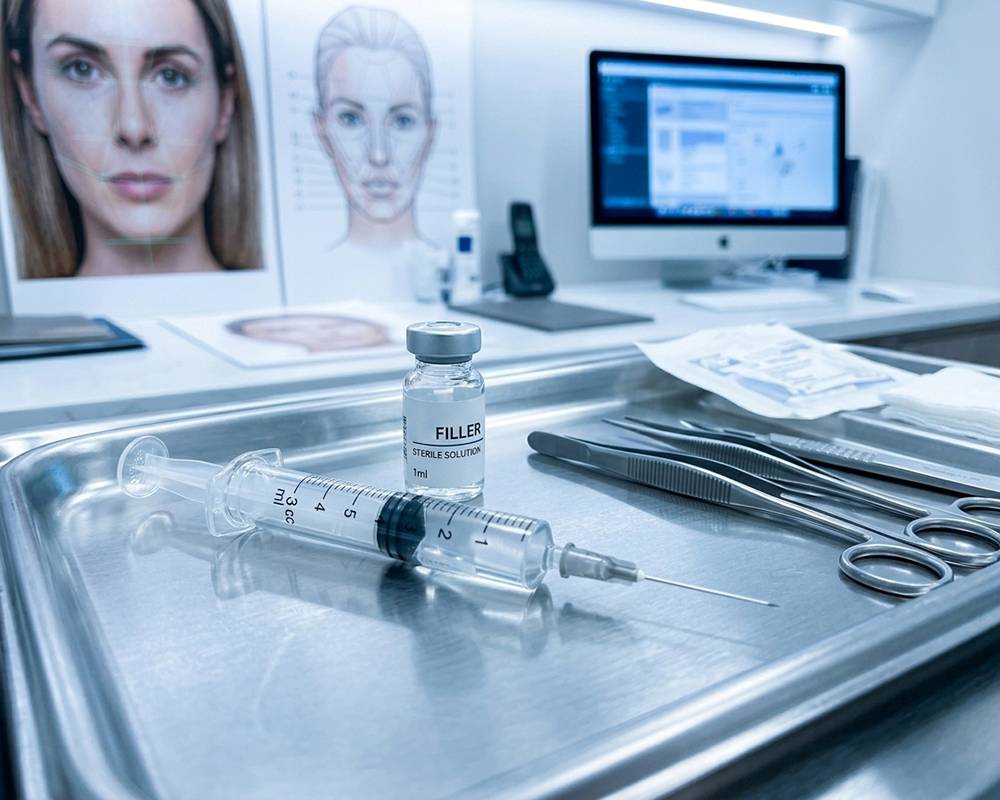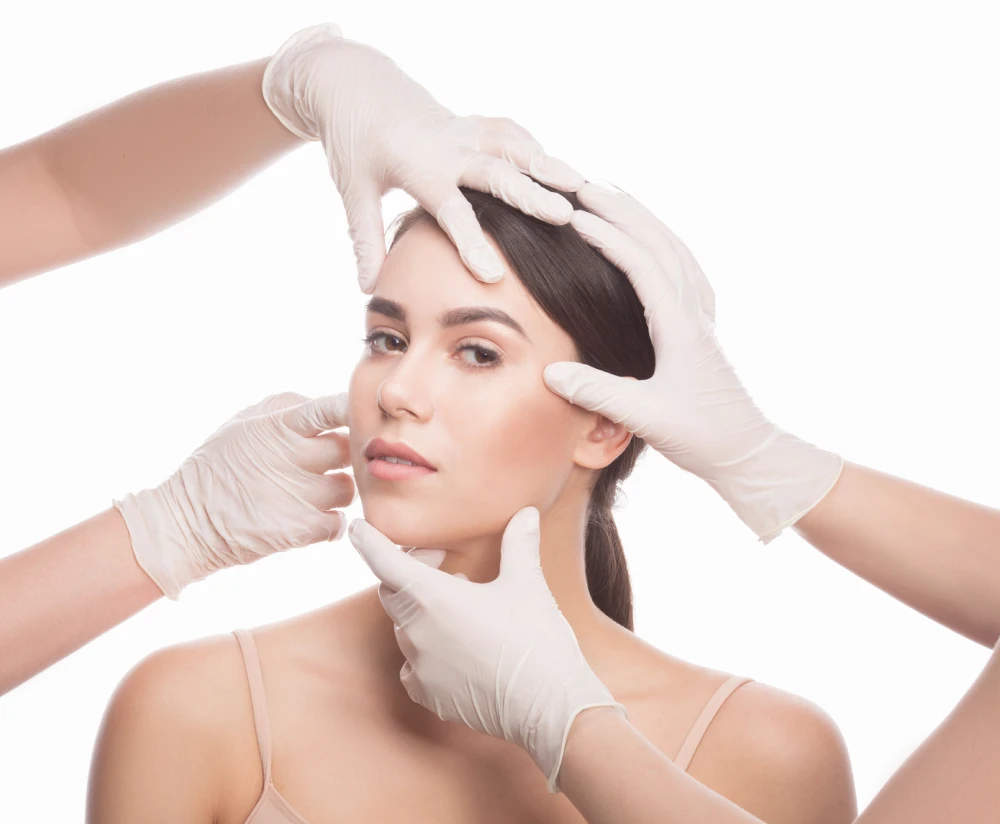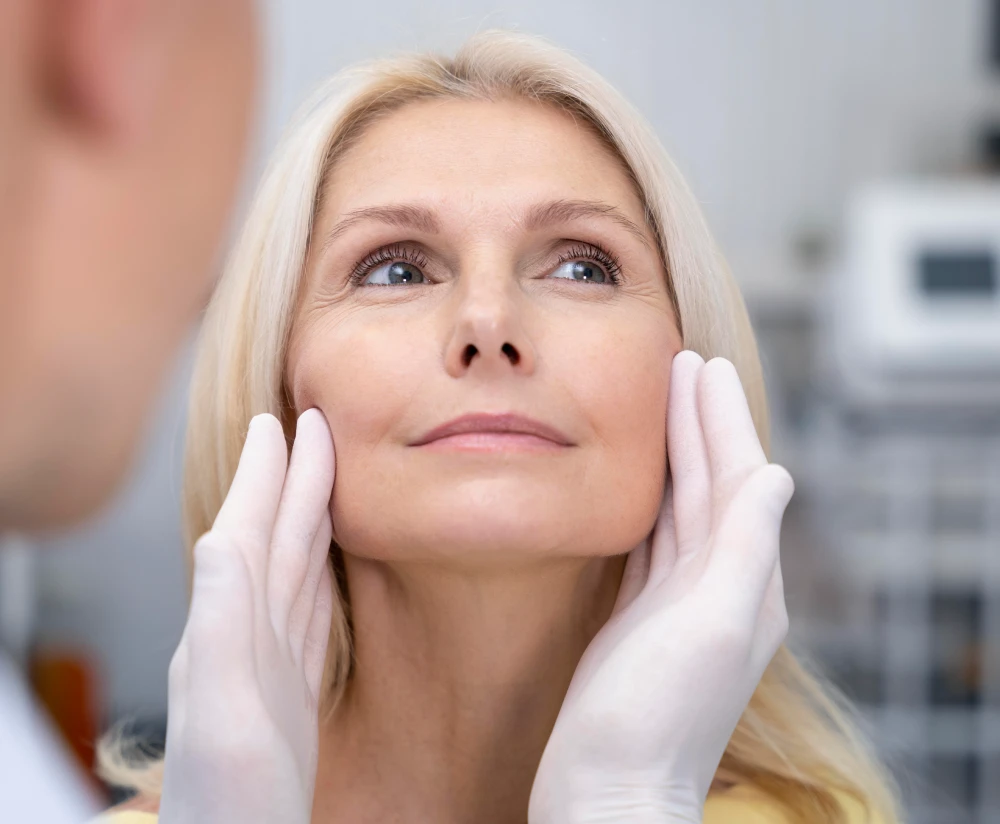



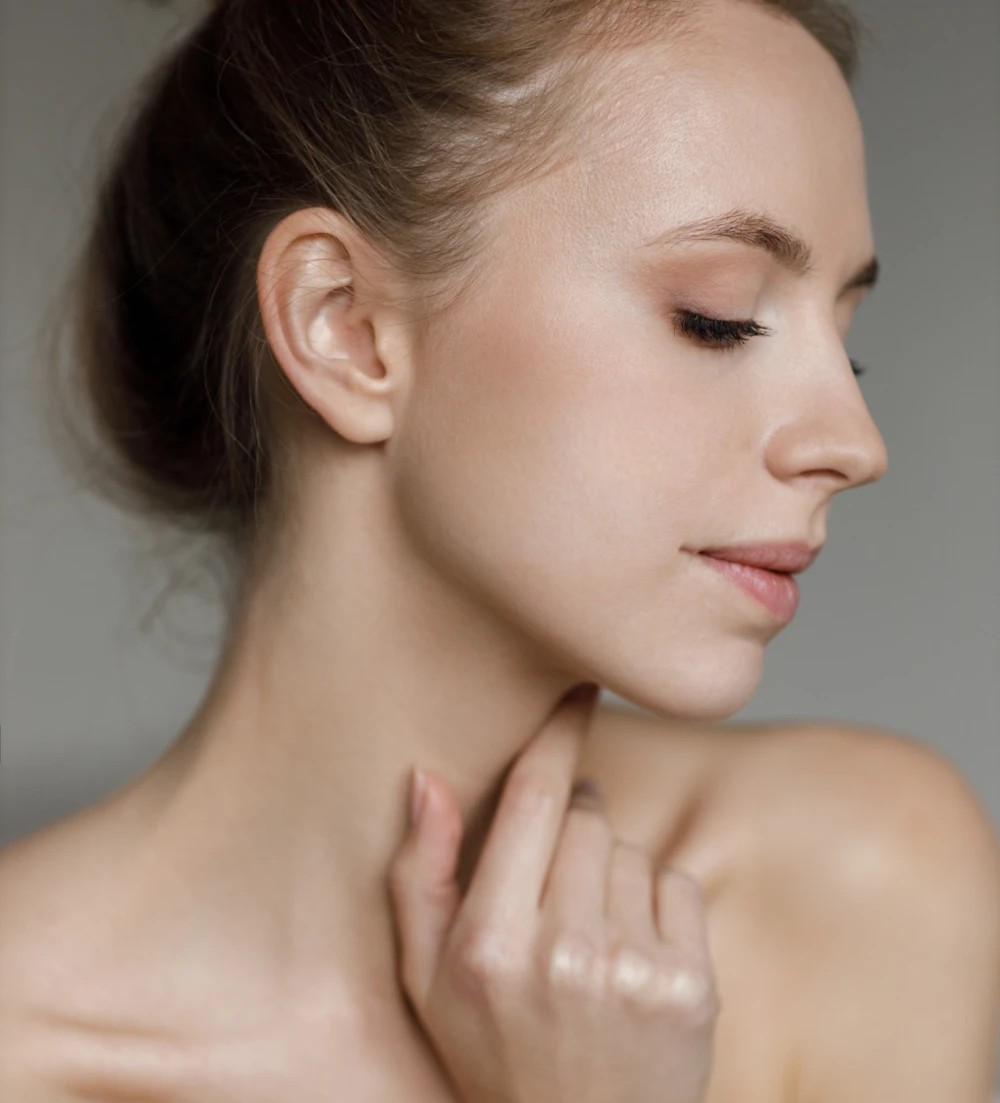
Botox (botulinum toxin) is a protein that temporarily blocks the transmission between nerves and muscles, thereby preventing muscle contraction. When used for aesthetic purposes, it is particularly effective in reducing expression lines on the forehead, between the eyebrows, and around the eyes. The procedure is performed with fine needles, without the need for local anesthesia, and is completed in a short period of time. Its effects are temporary and can be repeated at regular intervals.
Why is Botox Performed?
Over time, repetitive facial expressions may lead to the development of fine lines and wrinkles. Common examples include forehead lines, glabellar lines between the eyebrows, and periocular wrinkles known as “crow’s feet.
Botox works by reducing muscle activity in these areas, thereby softening the appearance of lines and promoting a more refreshed and youthful look. In addition to its cosmetic applications, it is also utilized in the treatment of certain medical conditions such as excessive sweating, teeth grinding, and migraine headaches.
With proper planning and the correct dosage, Botox can achieve aesthetic rejuvenation while preserving the natural facial expression.
Who is a Candidate for Botox?
Individuals who have developed, or are at risk of developing, facial expression lines may be suitable candidates for Botox.
It is commonly administered for preventive or corrective purposes in individuals aged 25 and above. The treatment can be safely performed in those with appropriate skin quality, good overall health, and no allergies to injectable therapies.
In addition, Botox may also be considered under medical supervision for conditions such as excessive sweating (hyperhidrosis), jaw muscle hypertrophy (masseter hypertrophy), or migraine headaches.
Pre- and Post-Treatment Considerations for Botox
Before the procedure, the skin is evaluated, and the treatment areas and dosage are carefully determined. If the patient is taking blood-thinning medications, the physician must be informed.
Following the procedure, patients should avoid lying face down for several hours, refrain from massaging the injection sites, and minimize exaggerated facial expressions. Strenuous exercise is not recommended during the first 24 hours.
The effects of Botox typically begin to appear by the third day, reaching their full impact within 10–14 days. On average, results last for 4–6 months, after which the treatment may be safely repeated.