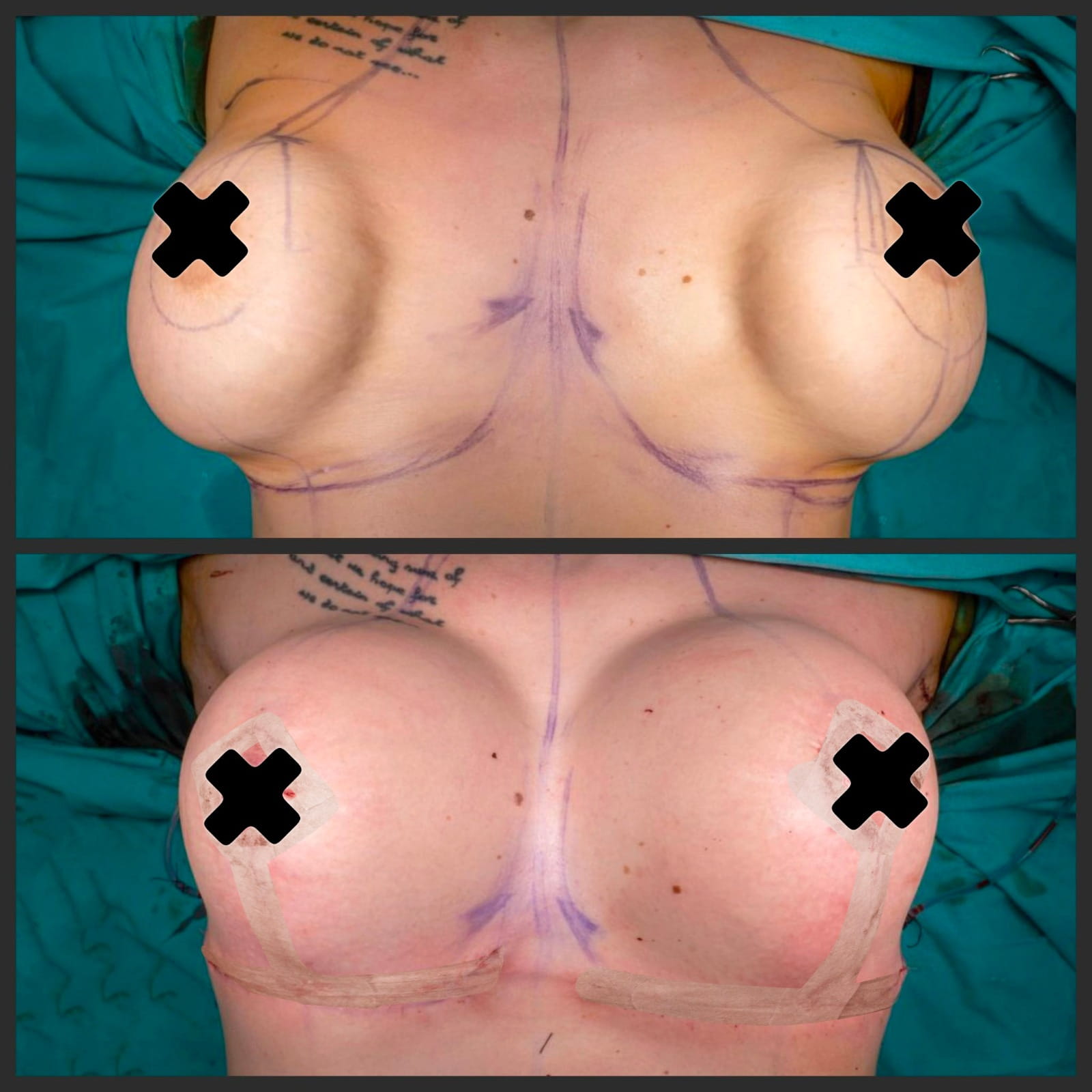





Gynecomastia is a condition characterized by the abnormal enlargement of breast tissue in men. It may cause aesthetic concerns and, over time, lead to psychological effects. Through surgical intervention, the excess breast tissue—and, if necessary, accompanying fat tissue—is removed to achieve a flatter, more masculine, and proportionate chest appearance.
Why is Gynecomastia Surgery Performed?
Breast enlargement in men may occur due to hormonal changes, certain medications, weight gain, or genetic predisposition. This condition can lead to a loss of self-confidence in social life, difficulties in clothing choices, and psychological distress.
Gynecomastia surgery reshapes the chest wall by removing the excess tissue in the breast area. In doing so, it provides both aesthetic improvement and psychological relief.
It is considered an effective solution in cases of breast enlargement that cannot be corrected through exercise or diet.
Who is a Candidate for Gynecomastia Surgery?
Men who develop a feminine breast appearance and feel aesthetically or psychologically distressed by this condition may be suitable candidates for the procedure.
It can be safely performed in individuals with good general health, sufficient skin elasticity, stable weight control, and no medical conditions that would contraindicate surgery.
Surgical planning is appropriate when hormonal balance is stable and breast enlargement caused by medications or underlying diseases is under control.
In men who are unable to reduce excess breast tissue in spite of regular exercise, the procedure offers permanent and effective results.
Pre- and Postoperative Considerations for Gynecomastia Surgery
Prior to the procedure, hormone levels and overall health are thoroughly assessed. When necessary, imaging techniques such as ultrasound are used to analyze the tissue structure. Surgical planning is tailored individually to each patient.
In the early postoperative period, swelling, bruising, and tenderness may occur. Consistent use of the recommended compression garment, adequate rest, and engagement in light activities support the healing process.
As recovery progresses, the chest attains a flatter, firmer, and more masculine contour. The results can be long-lasting and may bring about positive changes in the patient’s body image.